How Cold Is Too Cold to Walk a Dog? A Practical Guide for Pet Parents
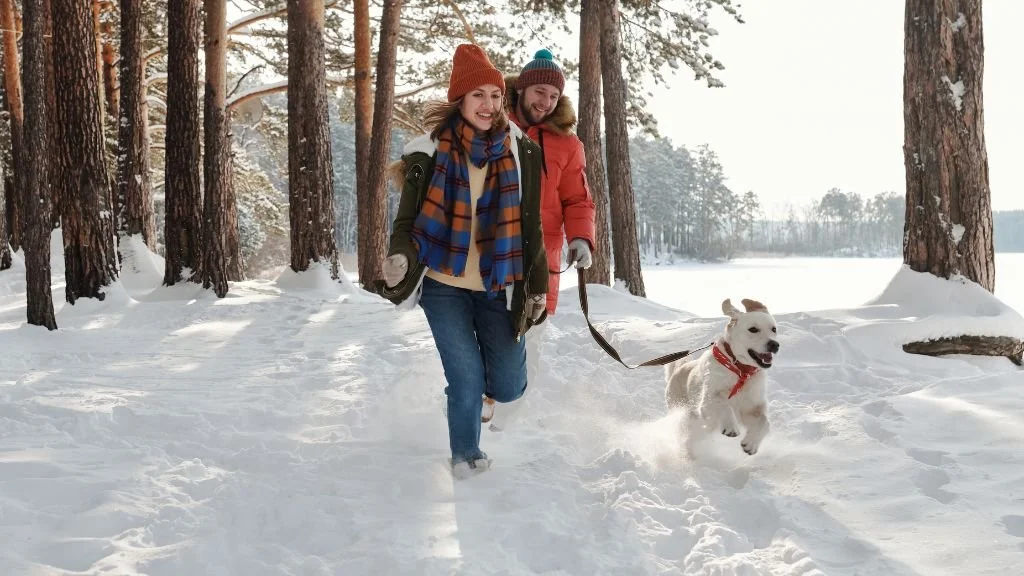
Winter in Columbus, OH, can be unpredictable. One day it's a mild 45 degrees, and the next you're looking at single digits with wind chill warnings. If you're a dog owner, you've probably stood at the door on a freezing morning wondering: is it actually okay to take my dog out in this?
The honest answer is that it depends on your dog. But there are some clear guidelines that can help you make the right call every time.
Why Cold Weather Matters More Than You Think
Dogs are not immune to the cold. While some breeds handle winter like champions, others struggle the moment temperatures dip below 50 degrees. Cold weather can cause real health risks, including hypothermia and frostbite, particularly in dogs that are older, smaller, or have short coats.
Beyond physical danger, walking in extreme cold without the right preparation can make the experience stressful and unpleasant for your dog. A bad experience on a winter walk can lead to anxiety and reluctance around outdoor time in general.
General Temperature Guidelines for Dog Walks
Here is a practical breakdown of how different temperature ranges typically affect dogs:
Above 45°F - Generally safe for most dogs with no special precautions needed.
32°F to 45°F - Comfortable for cold-tolerant breeds; small, thin-coated, or senior dogs may need a coat.
20°F to 32°F - Caution is warranted for all dogs. Limit walk time and watch for signs of discomfort.
Below 20°F - Potentially dangerous for most dogs. Keep walks short and consider skipping them for vulnerable pets.
These are starting points, not hard rules. Wind chill, humidity, and your dog's individual health all factor into the equation.
How Your Dog's Breed and Size Change Everything
A Siberian Husky and a Chihuahua are not going to have the same experience on a 25-degree walk in Columbus. Breeds like Huskies, Malamutes, and Bernese Mountain Dogs were literally developed for cold climates. Their thick double coats provide natural insulation.
Smaller breeds, short-haired dogs like Greyhounds or Boxers, and dogs with lower body fat have a much harder time retaining heat. Senior dogs and puppies also have less ability to regulate their body temperature, making them more vulnerable to cold-related health issues.
If your dog falls into any of these categories, you need to be extra cautious when temperatures drop.
Signs Your Dog Is Too Cold on a Walk
Your dog cannot tell you they are freezing, but they will show you. Knowing what to look for can prevent a walk from turning into a dangerous situation.
Watch for these warning signs mid-walk:
Shivering or trembling
Slowing down or refusing to move
Whining or anxious behavior
Lifting paws off the ground repeatedly
Tucking the tail tightly between the legs
If you notice any of these, it is time to head inside immediately. Do not push through it. Your dog's body is sending a clear message.
Protecting Your Dog in Cold Weather
The right gear makes a genuine difference. A well-fitted dog coat or sweater adds warmth for breeds that need it, and dog booties protect paws from ice, snow, and chemical de-icers that can cause irritation or burns.
Speaking of de-icers, sidewalks and roads in Columbus get treated with salt and chemical melting agents throughout the winter months. These can be painful on your dog's paws and toxic if licked off. Wiping your dog's paws after every walk is a simple habit that protects them from real harm.
On extremely cold days, consider shortening the walk and increasing indoor activity to compensate. Mental stimulation through puzzle toys or training sessions can help burn energy when outdoor time is limited.
When You Should Skip the Walk Entirely
There are days when the responsible choice is to stay in. If Columbus is experiencing a wind chill advisory, a winter storm warning, or temperatures that have dropped below 10 to 15 degrees, it is reasonable to skip or drastically shorten outdoor walks for most dogs.
This does not mean your dog suffers. It means you are making a thoughtful call based on their safety. On days like these, a longer indoor play session or some structured training indoors can serve your dog just as well.
How a Professional Dog Walker Can Help in Winter
One of the biggest challenges for pet owners during winter is consistency. You might be comfortable skipping dog walking on a brutal January morning, but your dog still needs that daily movement and mental stimulation. Routines matter for dogs, even in winter.
This is where a professional dog walker becomes genuinely valuable. At Happy Tails Pet Care, we have been walking dogs in Columbus since 2013, and we know how to adapt to Ohio winters. Our team monitors weather conditions, adjusts walk lengths when needed, and knows how to keep your dog safe and comfortable no matter the season.
We provide GPS-tracked walks with regular updates, so you always know your dog was cared for, even when the weather outside is rough.
Conclusion
Cold weather does not have to shut down your dog's daily routine. With the right knowledge, proper gear, and a trusted care team, your dog can stay active and healthy all winter long. If you are in Columbus and want consistent, reliable dog walking care you can count on year-round, Happy Tails Pet Care is here to help.