How Long Should I Walk My Dog? A Simple Guide for Every Age and Breed
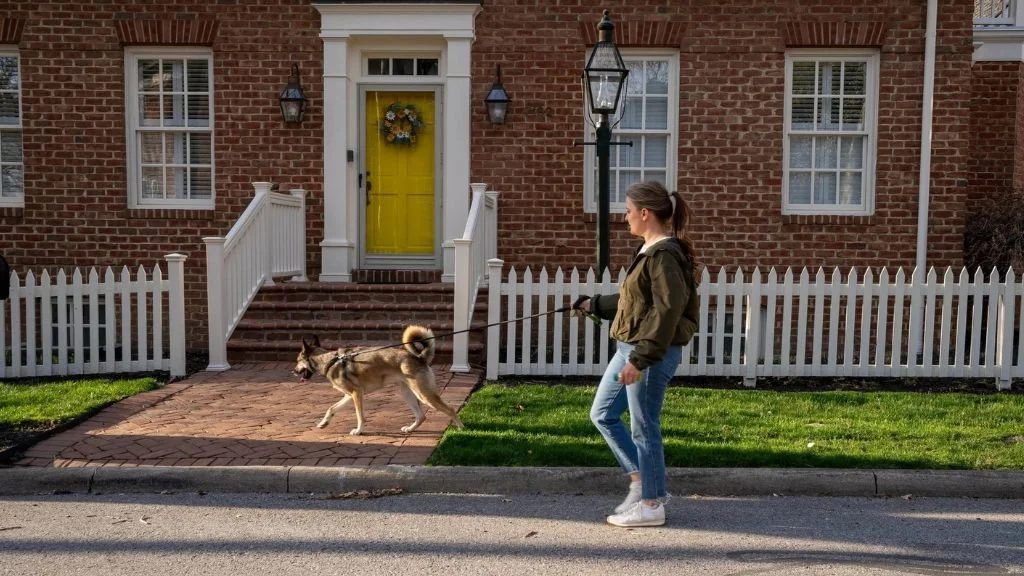
If you have ever stood by the front door, leash in hand, wondering whether you are doing enough for your dog, you are not alone. It is one of the most common questions pet owners ask, and the answer is not one-size-fits-all.
The right amount of exercise depends on your dog’s age, breed, health, and energy level. This guide will walk you through what actually matters so you can stop guessing and start building a routine that works for both of you.
Why Walking Your Dog Matters More Than You Think
A daily dog walk is not just about bathroom breaks. It is one of the most powerful things you can do for your pet’s physical and mental health.
Regular walks help manage weight, reduce anxiety, prevent boredom, and burn off excess energy that might otherwise turn into destructive behavior. A tired dog is generally a well-behaved dog, and that is not a coincidence.
Walking also provides mental stimulation. When your dog gets to sniff the environment, explore new routes, and take in the world around them, their brain is working just as hard as their legs. That kind of engagement is something a backyard alone cannot replicate.
How Much Exercise Does Your Dog Actually Need?
There is no single number that applies to every dog. The amount of exercise your dog needs is shaped by several factors working together.
Age
A puppy does not need the same exercise as a full-grown adult dog, and a senior dog may not handle the same demands as a young adult dog. Your dog’s age is one of the first things to consider before setting a walking routine.
Breed
Breed plays a major role in determining how often you should walk your dog and for how long. A Border Collie or Australian Shepherd, both classic herding breeds, may be able to handle two hours of exercise or more each day. A working dog bred for endurance has energy levels that need to be respected and matched.
On the other end of the spectrum, a Pug or similar brachycephalic breed will tire quickly and can be vulnerable to breathing issues in heat. Shorter walks, cooler temperatures, and close attention to signs of overexertion are essential for these dogs.
Terrier breeds like the Jack Russell Terrier fall somewhere in the middle but tend to pack a lot of energy into a small body. Do not let size fool you. These dogs often need more activity than people expect.
Health and Weight
A dog carrying extra weight or dealing with joint issues like arthritis needs a carefully managed approach to exercise. Too little movement can worsen stiffness, but too much can cause pain or injury. Talk to your veterinarian to find the right balance for a dog managing a health condition.
Energy Level
Some dogs are naturally calm and would be happy with a couple of shorter walks a day. Others seem to have an endless motor. Knowing your dog’s individual energy level, separate from breed generalizations, helps you build a walking routine that actually fits their needs.
How Long Should You Walk a Puppy?
Exercise your puppy carefully. Young dogs are still developing, and their joints and muscles are not ready for intense or prolonged exercise.
A widely used rule of thumb is five minutes of formal exercise per month of age, up to twice a day. So a three-month-old puppy would get around 15 minutes per session, twice daily. By five months, that increases to 25 minutes per session.
The reason you want to avoid taking puppies for long walks too early is that they can develop joint problems from overexertion before their growth plates have fully closed. This is especially true for larger breeds.
Short, frequent walks throughout the day are ideal for a young pup. Pair that with play sessions, dog training, and mental challenges at home to meet their stimulation needs without overdoing the physical side.
How Long Should Adult Dogs Walk Each Day?
Most adult dogs need at least one walk per day, but many benefit from two walks or more depending on their breed and energy.
For a moderate-energy dog, 30 minutes of walking per day is a reasonable starting point. High-energy breeds like Border Collies or similar working dogs may need 60 to 90 minutes of exercise each day, split across multiple outings. A good walk for these dogs might include jogging, hiking, or off-leash time at a dog park where they can really move.
Adult dogs with a more sedentary lifestyle are at higher risk of obesity, anxiety, and behavioral issues. If you know your dog has been getting less activity than they need, it is worth gradually increasing walk duration rather than jumping straight into long sessions.
Walking Routine for Senior Dogs
An older dog still needs regular movement, but the approach changes. Arthritis, reduced muscle mass, and lower stamina mean that the perfect walk for a senior dog looks different from what worked when they were younger.
Shorter walks more frequently tend to work better than one long walk for a senior dog. The goal is to keep your dog active without pushing them past their comfort. Watch for signs of fatigue, limping, or reluctance to keep going. These are signals to slow down and reassess.
Your veterinarian can help you figure out how much exercise your dog needs at this stage and whether swimming or other low-impact activities might be a helpful supplement to walking.
Determining How Often to Walk Your Dog: A Practical Breakdown
Rather than chasing a perfect number, focus on what your individual dog is showing you. Here is a general framework to use as a starting point:
Puppies under 6 months: Five minutes of walking per month of age, up to twice a day. A four-month-old pup gets about 20 minutes of formal exercise per session.
High-energy breeds, adult: 60 to 90 minutes or more of exercise per day, split into at least two walks.
Moderate-energy breeds, adult: 30 to 60 minutes of exercise per day across one or two sessions.
Low-energy or brachycephalic breeds: 20 to 30 minutes of exercise daily, in cooler conditions when possible.
Senior dogs: Shorter walks two to three times a day, adjusted based on how the dog responds.
These are starting points, not rigid rules. Different breeds within the same category can still vary widely, so observe your dog closely as you settle into a routine.
Signs You May Not Be Walking Your Dog Enough
Dogs are pretty good at telling you when their exercise needs are not being met. You just have to know what to look for.
Behavioral clues like chewing furniture, excessive barking, jumping, or destructive habits often point to a dog that has too much energy and not enough outlet. A dog may also become restless or anxious when under-exercised, which can make daily life harder for both of you.
On the physical side, weight gain is a clear indicator. If your dog is filling out in ways they should not be, exercise every day, combined with diet adjustments, is usually part of the solution.
What Makes a Good Walk for Your Dog?
The quality of a dog’s walk matters just as much as the length. A walk that includes variety, such as new routes, natural environments, and chances to sniff and explore, is more satisfying than the same short loop every time.
Letting your dog off the lead in a safe, enclosed space gives them a chance to move more freely, burn energy faster, and experience the kind of physical and mental engagement that structured leash walks alone cannot always provide.
Dog training during walks also adds value. Practicing commands, working on leash manners, and reinforcing calm behavior on the move all contribute to a well-rounded routine. If you are struggling with leash behavior, consulting a professional dog walker can make walks more enjoyable for everyone.
When to Adjust Your Dog’s Walking Schedule
Life changes, and so do dogs. A new health diagnosis, a change in the weather, weight gain, or aging all call for a fresh look at how you are exercising your dog.
Heat stroke is a real risk during warm months, especially for brachycephalic breeds and dogs with thick coats. Shorter, earlier morning walks or evening outings help keep your dog safe when temperatures climb. Watch for heavy panting, stumbling, or glazed eyes. These are signs to stop and get your dog to a cool space immediately.
If your schedule has changed and you cannot reliably provide the walks your dog needs, it is worth addressing sooner rather than later. A professional dog walker can step in to make sure your dog gets consistent activity even when your day does not allow for it.
How Happy Tails Pet Care Can Help
At Happy Tails Pet Care, we have helped Columbus dogs stay active, happy, and healthy since 2013. Our team understands that every dog is different, and we build our dog walking services around what each individual pet actually needs, not a generic routine that fits no one perfectly.
Whether your dog needs a midday break while you are at work, a structured daily walk to keep your dog’s mind sharp and engaged, or consistent support for a senior dog managing arthritis, we are here to help. We provide GPS-tracked walks, bonded and insured care, and the kind of long-term consistency that dogs genuinely benefit from.
Conclusion
Walking dogs is not complicated, but it does require paying attention to the right things, including age, breed, health, and energy level. Start with a reasonable baseline, watch how your dog responds, and adjust from there.
If you are in Columbus and find that your schedule is getting in the way of your dog’s exercise needs, Happy Tails Pet Care is ready to help. Reach out to learn more about our dog walking services and find the right fit for your pup.