Can I Walk My Dog 30 Minutes After Eating? What Every Pet Owner Should Know
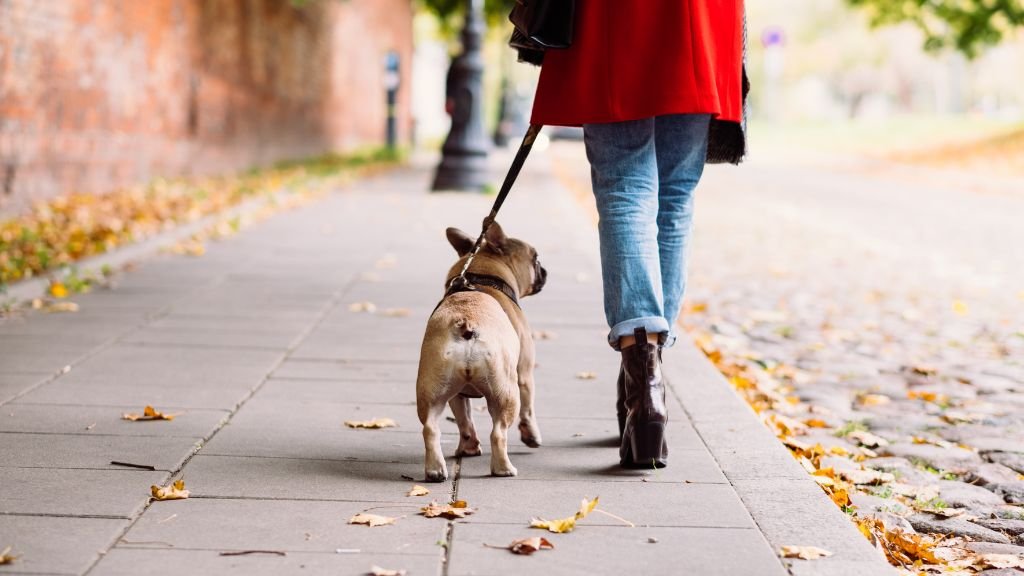
You just fed your dog, and now they are bouncing around, ready to go. Or maybe you are the one on a schedule and wondering if it is fine to head out the door. Either way, the question is fair: is 30 minutes enough time to wait before going for a walk?
The short answer is that it depends. But there is enough nuance here that every dog owner should understand what happens inside their dog’s body after a meal and why the timing matters more than most people realize.
Why Timing Matters After Mealtime
When your dog eats, their digestive system kicks into gear. Blood flow is redirected toward the stomach and gastrointestinal tract to support digestion, and the body starts breaking down nutrients from the food. This is normal, healthy digestion doing its job.
The problem comes when exercise after eating interrupts that process. Physical activity pulls energy and circulation toward the muscles instead, which can slow digestion and, in some cases, cause real discomfort for your dog. In more serious situations, it can set the stage for a dangerous condition called bloat.
What Is Bloat and Why Should You Care?
Bloat is more than just a full, uncomfortable feeling. In dogs, bloat refers to a condition where the stomach fills with gas, fluid, or food and begins to expand. When that happens, the dog’s stomach can become severely distended and put pressure on surrounding organs.
The most serious form is known as gastric dilatation-volvulus, or GDV. Gastric dilatation-volvulus occurs when the stomach twists on itself after filling with gas or food. This stomach twist cuts off blood supply to the stomach and other organs, which makes GDV a life-threatening condition that can become fatal within hours if not treated.
Bloat is not rare, and it is not something to brush aside. Recognizing the risk of bloat and understanding what contributes to it is one of the most important things a pet parent can do.
How Exercise Right After Eating Can Contribute to GDV
Allowing your dog to run, jump, or engage in vigorous activity soon after eating could increase the chance of bloat, particularly in at-risk breeds. When a dog exercises with a full stomach, the stomach can fill further with gas and movement, which may raise the likelihood of that dangerous twist occurring.
That said, a short walk around the block is very different from an intense play session. The risk level depends on the dog’s breed, size, age, and activity level. But even a moderate pace right after eating can cause the dog to experience digestive discomfort, vomiting, or diarrhea in some cases.
How Long Should You Wait Before Walking Your Dog?
So, how long should you wait to walk your dog after a meal? Many veterinarians recommend waiting at least 30 minutes for smaller, low-energy dogs and at least 1 to 2 hours for larger breeds or dogs prone to digestive issues.
Here is a simple way to think about it:
Small dogs and puppies: At least half an hour is usually fine for a calm, short walk.
Medium and large dogs: It is best to wait at least an hour before heading out.
Deep-chested breeds or high-risk dogs: Wait the full 1 to 2 hours before exercise.
The goal is to give your dog enough time to begin digesting food before their body is asked to do something else with that energy.
Which Dog Breeds Are Most at Risk?
Not all dogs carry the same risk. Deep-chested breeds are the most vulnerable to bloat and GDV. This includes breeds like Great Danes, German Shepherds, Standard Poodles, Weimaraners, and Collies.
These dog breeds tend to have a body structure that makes the stomach more likely to shift and twist. If your dog falls into one of these categories, the wait time after a meal should always be taken seriously. Longer walks or vigorous exercise should be saved for well before or long after feeding.
Even if your dog does not belong to a high-risk breed, respecting a post-meal rest period is still a good habit for any dog’s body.
Tips for Building a Healthier Feeding and Exercise Routine
Getting the timing right between meals and exercise does not need to be complicated. A few simple adjustments can make a big difference in keeping your dog comfortable and healthy.
Feed your dog at consistent times. Sticking to a regular schedule helps regulate digestion and makes it easier to plan walk times around meals. Most adult dogs do well being fed at least twice a day instead of one large meal.
Use smaller meals when possible. Dogs who eat one large portion at once may be at greater risk for bloat than those who eat smaller meals twice a day. Splitting the daily amount of food into two servings supports healthy digestion and reduces stomach stress.
Plan walks before feeding, then walk again after a sufficient wait. A good feeding and exercise routine might look like this: walk in the morning, feed your pet, wait 1 to 2 hours, then walk again in the afternoon or evening. This keeps your dog active at least twice per day while protecting their digestive system.
Watch for warning signs after mealtime. If your dog tends to pace, drool excessively, or show signs of abdominal distension after eating, those can be early signals of bloat. Nausea, belching, and signs of pain or discomfort should never be ignored. Contact a veterinarian immediately if you notice these symptoms.
Make sure fresh water is available. Hydration supports the dog’s digestive system, but avoid letting your dog gulp large amounts of water right after eating, as this can also contribute to stomach issues.
What About Puppies and Senior Dogs?
Puppies have smaller stomachs and faster metabolisms, which means they may digest food more quickly. However, they are also more prone to low blood sugar and should not be taken on long or intense walks immediately after eating. A calm, short outing after at least 30 minutes is generally acceptable for most healthy puppies.
Senior dogs may have slower digestion and can be more sensitive to the effects of going out too soon after a meal. Keeping their post-meal wait time closer to an hour, and sticking to low-impact walking, is usually the safest approach.
If you are unsure about what works best for your specific dog’s age, breed, or health history, your veterinarian is always the best resource.
Practical Advice for Busy Dog Owners
For many dog owners, especially those with demanding work schedules, timing walks around meals can feel like one more thing to manage. That is where having a reliable dog walking routine in place becomes genuinely useful.
If you feed your dog before leaving for work and need someone to walk them later in the day, a professional dog walker can time that visit appropriately, giving your dog the exercise they need without putting them at risk of digestive discomfort. The key is consistency, and dogs who need structure thrive when they can count on walks happening at the same time each day.
Happy Tails Pet Care LLC has been helping Columbus, OH dog families build exactly that kind of reliable routine since 2013. Whether your dog is an energetic puppy, an adult in their prime, or a senior who benefits from gentle daily movement, the team at Happy Tails can work around your dog’s feeding schedule to keep them active, comfortable, and well cared for. Learn more at happytails-petcare.com.
Conclusion
The general rule is simple: how long should I wait? At least 30 minutes may be enough for smaller dogs, while larger or deep-chested breeds usually need closer to 1 to 2 hours before exercise. Walking too soon after eating can raise the risk of bloat, digestive discomfort, and, in serious cases, life-threatening GDV.
Build your feeding and exercise schedule around your dog’s size, breed, and health needs. And if you need help keeping that schedule consistent, a trusted local dog walker can make all the difference.