Should I Feed My Dog Before or After a Walk? Vet-Informed Advice for a Healthier Routine
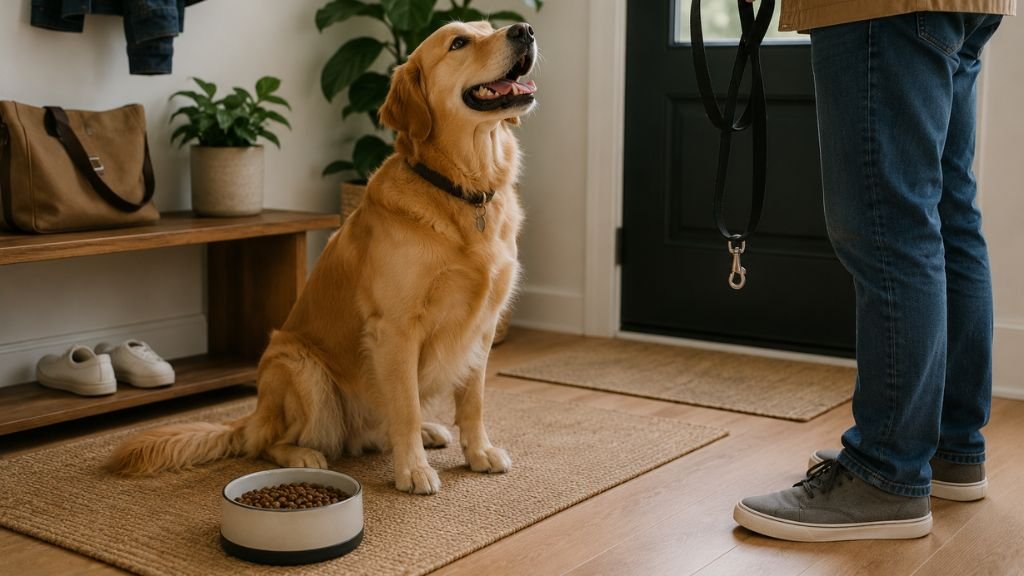
If you have ever stood in your kitchen at 7 a.m., bowl of dog food in one hand and a leash in the other, wondering which comes first, you are not alone. It is one of the most common questions dog owners ask, and the answer matters more than you might think.
Getting the timing right between meals and exercise is not just about comfort. It can directly affect your dog’s digestive system, energy level, and, in some cases, their safety.
Why Meal Timing Matters for Your Dog’s Routine
Your dog’s body needs time to settle after eating. Once food reaches the stomach, digestion begins, and the body focuses on moving food through the digestive tract. If your dog jumps straight into a brisk walk, run, or active play session, that process can be disrupted.
Some dogs may only experience mild stomach upset, such as nausea, loose stool, or vomiting. For others, especially dogs with higher risk factors, activity too soon after eating can create a more serious concern. That is why it is smart to separate mealtime from exercise instead of treating them as back-to-back parts of the same routine.
A calm rest period after eating gives your dog’s stomach time to begin digesting food properly. It also helps reduce unnecessary stress on the digestive system, which is especially important for large dogs, deep-chested breeds, fast eaters, and pets with a history of stomach sensitivity.
Understanding Bloat in Dogs
One of the biggest reasons dog owners are told to avoid exercise right after meals is the risk of bloat. Bloat happens when a dog’s stomach becomes filled with gas, food, or fluid and expands beyond its normal size. This can quickly become painful and dangerous.
The most serious form is gastric dilatation-volvulus, often called GDV. In this emergency condition, the stomach can twist, trapping gas and cutting off normal blood flow. Without fast veterinary care, GDV can become life-threatening.
Large and deep-chested breeds, including Great Danes, German Shepherds, Standard Poodles, and similar dogs, are more commonly associated with this condition. However, any dog can have digestive trouble when meals, fast eating, heavy water intake, and exercise happen too close together.
Watch for warning signs such as a swollen belly, repeated attempts to vomit without bringing anything up, pacing, drooling, restlessness, or labored breathing. If you notice these symptoms, contact a veterinarian right away.
Should You Walk First or Feed First?
The short answer is: walk first, then feed. It is generally safer to feed a dog after exercise rather than before, especially when vigorous activity is involved.
When you walk your dog before a meal, their heart rate has time to come down, their metabolism settles, and their digestive system is ready to do its job properly. Feeding your dog right before exercise does not give their body the time to digest food effectively, which may increase the risk of bloat and other digestive problems.
What About the Morning Walk?
For most dogs, morning walks before breakfast are the ideal setup. Your dog gets the benefit of exercise on a relatively empty stomach, and then they come home to a calm, settled meal. This routine also helps keep your dog mentally stimulated before feeding, which can reduce anxious or frantic eating.
If your schedule makes this difficult, that is okay. The key is simply to avoid feeding your dog right before any vigorous walk or strenuous activity.
How Long Should You Wait Before or After a Walk?
This is where a lot of dog owners get confused, and the answer depends on the direction you are going.
How Long to Wait Before Feeding Your Dog After a Walk
After a walk, wait at least 15 to 20 minutes before offering a meal. This gives your dog time to rest, cool down, and let their heart rate return to normal. For more active dogs or after a vigorous walk, waiting longer is even better.
You should also give your dog small sips of water after exercise rather than letting them drink large amounts all at once. Too much water too fast can contribute to digestive issues and discomfort.
How Long to Wait Before Exercise After Feeding
If your dog has already eaten, the general rule is to wait at least 30 minutes before light activity and ideally 1 to 2 hours before anything more intense. For large breed dogs or any dog that is prone to bloat, waiting the full 1 to 2 hours after eating is strongly recommended.
Always wait at least an hour before vigorous exercise after a full meal. This gives the digestive system a proper chance to work without interference.
Factors That Affect the Right Schedule for Your Dog
Not every dog is the same, and deciding whether to feed before or after a walk depends on a few key variables.
Breed and size: Deep-chested breeds face a significantly higher risk of bloat. If your dog is prone to GDV, you should keep meals and walks well separated.
Age: A puppy has a faster metabolism and may need smaller meals more frequently throughout the day. Because a puppy is also typically more excitable and active, it is especially important to avoid feeding them right before exercise.
Activity level and type of exercise: A slow neighborhood stroll is different from an off-leash run. The type and intensity of exercise should influence how you plan your dog’s walking and feeding routine.
Type of food: Wet food, dry kibble, and raw diets all digest at different rates. Your veterinarian can help you understand how your dog’s diet affects their digestion timeline.
Practical Tips to Keep Your Dog Safe and Comfortable
Building a consistent feeding schedule helps your dog’s digestive system anticipate meals, which supports better digestion overall. Here are a few habits worth building into your routine:
Feed your pet after walks, not before, whenever possible.
Use a slow feeder bowl if your dog eats too quickly.
Give your dog time to rest after meals before heading outside.
Offer smaller meals rather than one large daily feeding to reduce digestive pressure.
Always monitor your dog after eating for any signs of discomfort, bloating, or distress.
If you exercise your dog in the evening, make sure to wait before feeding your dog right after intense activity. A calm cooldown period makes a real difference for their digestive health.
When to Talk to Your Veterinarian
If your dog is prone to digestive issues, has experienced bloat or other digestive conditions before, or belongs to a high-risk breed, speak with your veterinarian about the best time to feed and exercise them. Pet care needs vary, and a vet can give guidance tailored to your pet’s specific needs, weight, age, and activity level.
Health risks like bloat are easier to manage with the right routine. It just takes a little planning.
Conclusion
The safest approach for most dogs is to walk first, then feed, and wait at least 15 to 30 minutes after exercise before offering a meal. For high-risk breeds or after vigorous activity, wait closer to 1 to 2 hours.
If you need help keeping your dog on a consistent routine while you are at work or away, Happy Tails Pet Care has been supporting Columbus dog families since 2013 with dependable, scheduled walks that fit your dog’s needs.